Craig Fine Law Firm Blog
Wills: Questions to Resolve Before Instructions Become Final
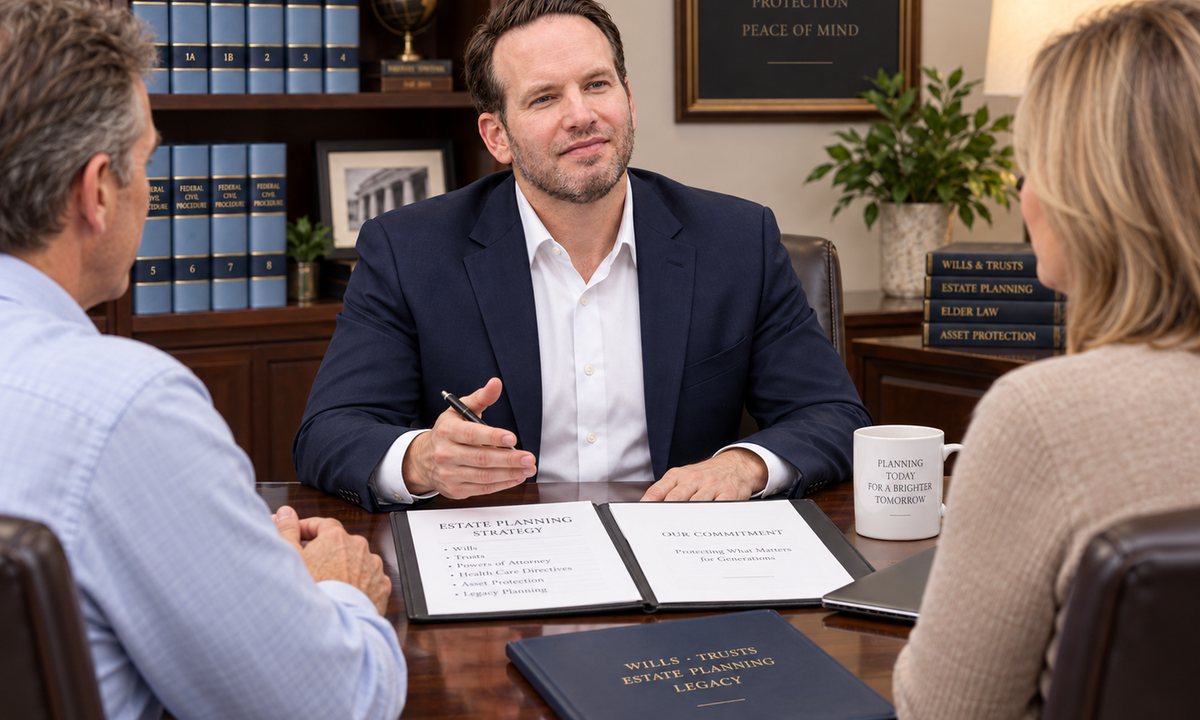
A will records important decisions, but sound drafting begins before names are placed into a template. The client and attorney should identify the property the will can control, the people who may serve, the beneficiaries and alternatives, family circumstances, business or real estate interests, and the execution rules that apply. Ambiguity at the instruction stage can become a dispute after the person who made the will can no longer explain the intent.
Identify the Property the Will Governs
Prepare an asset and ownership inventory. Property with a valid beneficiary designation, joint ownership, trust ownership, or another non-probate transfer arrangement may pass outside the will. Those arrangements should be reviewed together so the overall result matches the plan.
Real estate in another state, business interests, intellectual property, digital assets, and valuable personal property may require specific attention. Debts, taxes, administration expenses, and liquidity also affect how distributions work in practice.
Select Fiduciaries and Backups
An executor or personal representative may need to locate assets, protect property, address claims, file documents, coordinate tax work, maintain records, and distribute property. Consider judgment, organization, availability, location, family dynamics, and willingness to serve. Name practical backups.
If the will creates a trust or nominates a guardian, those roles require separate analysis. A guardian nomination is subject to the applicable appointment process, not automatic authority. The best person to care for a child may not be the best person to manage money. Explain how responsibilities should be divided and how successors are selected.
Address Beneficiaries and Contingencies Clearly
Use complete legal names and describe relationships accurately. Decide what happens if a beneficiary dies first, disclaims, is a minor, or cannot receive property outright. Consider blended families, unequal gifts, estrangement, a beneficiary with disabilities, and the effect of public-benefit eligibility.
Specific gifts should be coordinated with the remaining estate. Property may be sold or no longer owned at death, and values can change. The plan should avoid accidental results caused by changes that the client did not consider.
Execute and Maintain the Will Properly
Signing requirements are jurisdiction-specific. Use an appropriate supervised process and avoid handwritten edits, detached pages, or informal digital copies as substitutes for a properly executed original. Store the original securely and make sure the appropriate person can locate it.
Review the will after marriage, divorce, births, deaths, major asset or business changes, a move between states, or changes in intended fiduciaries. Coordinate updates with trusts, powers of attorney, health-care documents, titles, and beneficiary designations.
Related articles cover estate planning as a coordinated process and probate and estate administration. External resources include the Fine Line wills and trusts guide and Craig’s wills profile.
Discuss simultaneous deaths, failed gifts, residue, pets, personal property, fiduciary compensation, bond and expenses. Address funeral and disposition preferences separately so those responsible can access timely instructions; including a preference in a will alone may not achieve that.
Worked example: questions to resolve
This is a hypothetical educational example, not a client story or reported result. A parent leaves a particular asset to one beneficiary but sells it later. The plan should be reviewed for changed assets, backup gifts and residue instructions. This hypothetical illustrates why an old asset list and current beneficiary intentions need to be reconciled.
Official reference
For related background, consult the New York Courts probate information. This resource is educational; its scope and jurisdiction may differ from your matter.
Chinese-speaking client assistance
The Law Office of Craig A. Fine, P.C. accommodates Chinese-speaking clients with in-house Mandarin support from associate attorney Li Wu, Esq. Please request Mandarin assistance when arranging a consultation so the office can coordinate language support and the appropriate attorney for your matter. Meet the attorneys and review language support, or request a consultation.
本所提供中文法律服务。预约咨询时,请告知您需要普通话协助。
About Craig A. Fine, Esq.
Craig A. Fine, Esq. is licensed in New York, New Jersey, and Florida. His estate-planning practice includes wills, trusts, powers of attorney, advance directives, probate, and estate administration.
Attorney Advertising. This article is general information and does not create an attorney-client relationship. A will must be tailored and executed under current applicable law.
Read the on-site Craig Fine Law Firm Blog and follow Craig A. Fine, Esq.'s additional commentary on the separate-domain The Fine Line Blog.
Attorney Advertising. This material is provided for general informational purposes only and does not constitute legal advice. Viewing this content does not create an attorney-client relationship. Prior results do not guarantee a similar outcome. Attorney Advertising & Legal Disclaimer

