Craig Fine Law Firm Blog
Estate Planning as an Organized Decision Process, Not a Single Document
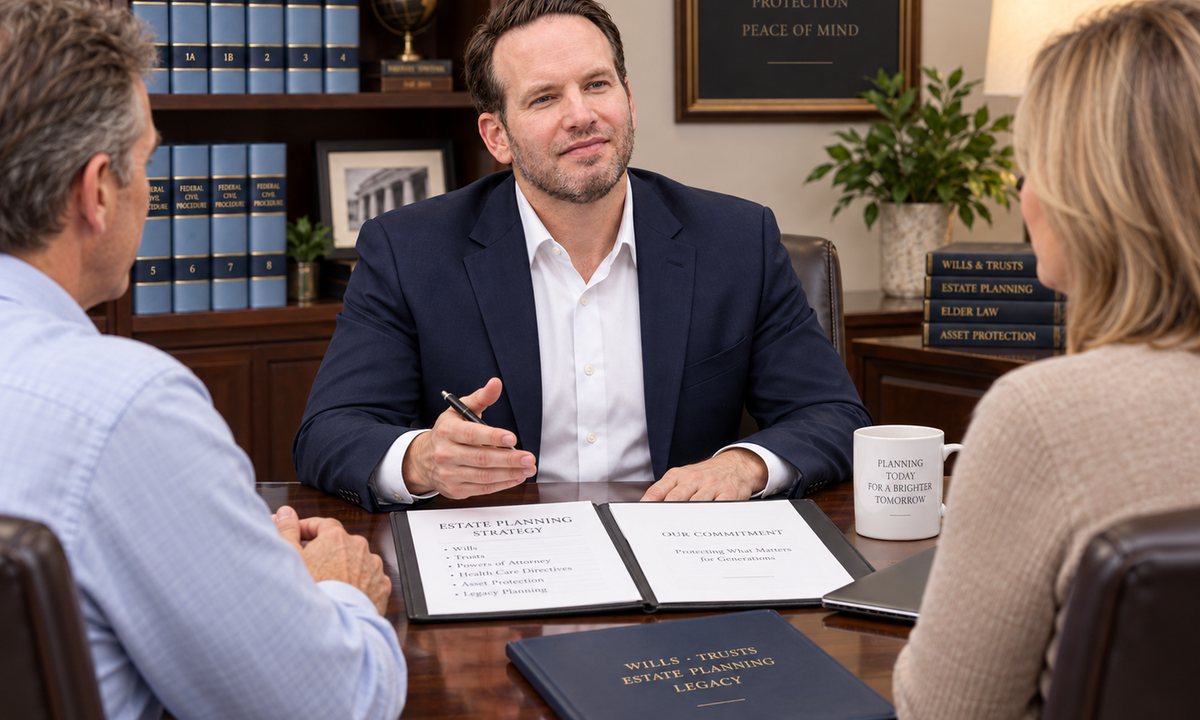
Estate planning is a coordinated decision process. A will may direct probate assets, but a complete review also considers trusts, beneficiary designations, jointly owned property, business interests, powers of attorney, health-care documents, digital information, real estate, and the practical ability of selected people to act. Documents should work together rather than provide inconsistent instructions.
Begin With People and Responsibilities
Identify the people who may serve as executor or personal representative, trustee, agent under a power of attorney, health-care decision-maker, guardian, business successor, or recipient of property. Consider ability, location, availability, conflicts, and backups. A title should not be assigned merely because someone is the oldest relative or closest friend.
Discuss family circumstances directly. Minor children, a beneficiary with a disability, a person receiving public benefits, a blended family, estrangement, creditor concerns, or unequal gifts may require additional planning and careful explanations.
Build an Ownership and Beneficiary Inventory
List real estate, bank and investment accounts, retirement assets, insurance, business interests, valuable personal property, digital assets, debts, and recurring obligations. Record how each asset is titled and whether it has a beneficiary designation. The estate plan cannot coordinate an asset the drafting attorney does not know exists.
Beneficiary designations and joint ownership may control outside the will. Review them with qualified advisers and retain confirmation of completed changes. Avoid leaving unsigned forms or intended transfers in a planning file as though they were effective.
Match Documents to Objectives
Wills, revocable or other trusts, powers of attorney, and advance directives serve different functions. A trust is not automatically appropriate for every person, and signing a trust does not itself transfer every intended asset into it. The plan should explain which document controls which property or decision and what additional implementation is required.
Business ownership, property in several states, and significant lifetime gifts may require coordination across jurisdictions and professional disciplines. Legal advice should be integrated with current tax, accounting, financial, insurance, and valuation advice where relevant.
Treat Signing as the Start of Implementation
After execution, complete funding, title, beneficiary, record, and communication steps. Store originals securely and tell appropriate fiduciaries how to locate them. Review the plan after major family, health, ownership, business, residency, or legal changes and on a reasonable periodic schedule.
Digital access should be addressed carefully. Create a secure inventory of important accounts, devices, records, and service providers without placing current passwords into a broadly shared document. Review platform procedures and applicable law, identify the person authorized to act, and coordinate those instructions with the will, trust, power of attorney, and privacy expectations.
Related corporate articles address wills and trust purpose, control and funding. Readers may also consult the Fine Line wills, trusts and estate-planning guide and Craig’s estate-planning profile.
Worked example: questions to resolve
This is a hypothetical educational example, not a client story or reported result. A family inventory separates jointly owned property, trust property, individually owned assets and beneficiary-designated accounts. The plan should explain which instrument addresses each item, alongside incapacity arrangements. One signed will cannot be treated as a complete inventory or implementation plan.
Official reference
For related background, consult the New York Courts probate information. This resource is educational; its scope and jurisdiction may differ from your matter.
Chinese-speaking client assistance
The Law Office of Craig A. Fine, P.C. accommodates Chinese-speaking clients with in-house Mandarin support from associate attorney Li Wu, Esq. Please request Mandarin assistance when arranging a consultation so the office can coordinate language support and the appropriate attorney for your matter. Meet the attorneys and review language support, or request a consultation.
本所提供中文法律服务。预约咨询时,请告知您需要普通话协助。
About Craig A. Fine, Esq.
Craig A. Fine, Esq. is licensed in New York, New Jersey, and Florida. His estate-planning practice includes wills, trusts, powers of attorney, advance directives, probate, estate administration, and planning for property and business owners.
Attorney Advertising. This article provides general information and is not legal, tax, accounting, financial, insurance, or investment advice. Estate plans require individualized review and proper execution.
Read the on-site Craig Fine Law Firm Blog and follow Craig A. Fine, Esq.'s additional commentary on the separate-domain The Fine Line Blog.
Attorney Advertising. This material is provided for general informational purposes only and does not constitute legal advice. Viewing this content does not create an attorney-client relationship. Prior results do not guarantee a similar outcome. Attorney Advertising & Legal Disclaimer

