Craig Fine Law Firm Blog
Title, Closing and Due Diligence: A Transaction File That Supports Decisions
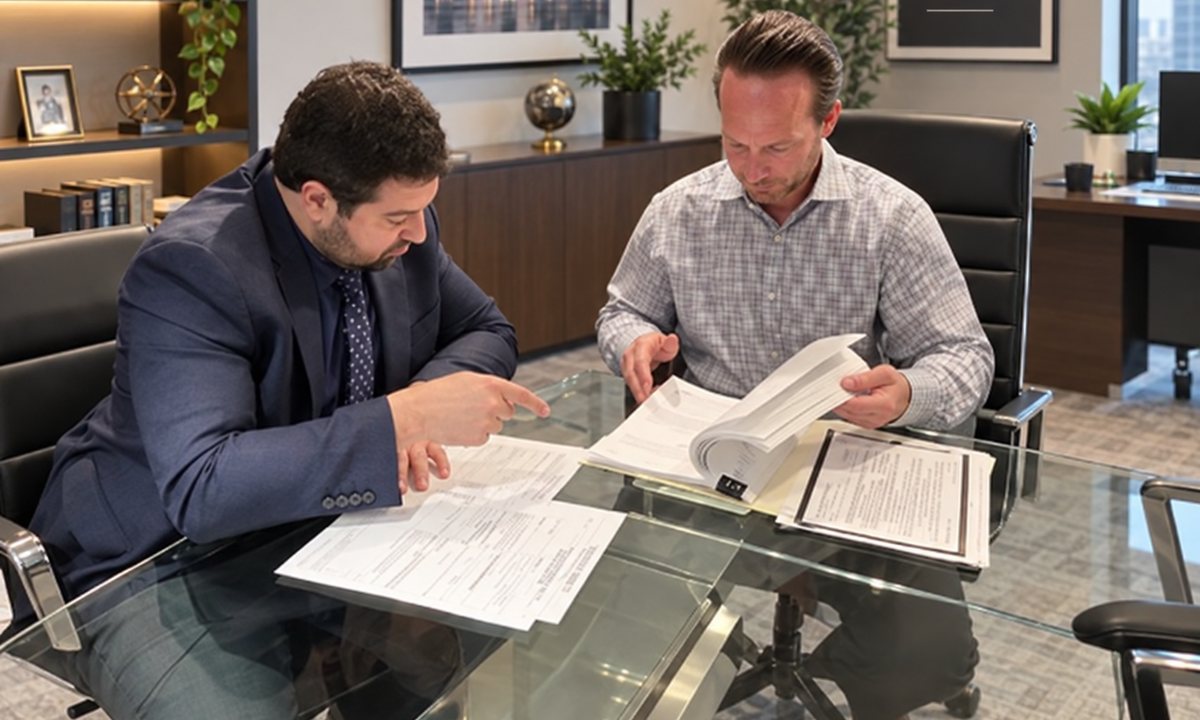
Title and closing work is most effective when it is integrated with the contract and the buyer’s intended use of the property. A title report is not simply a document to clear, and a closing is not simply a date to attend. Together with survey or location evidence, municipal records, financing, insurance, inspections, and entity documents, they form a decision file that should explain what is being acquired and which issues remain after closing.
Verify the Transaction Identity
Names, entities, property descriptions, contract references, and ownership instructions should be consistent across the file. Confirm the seller’s authority to transfer and the buyer’s intended form of ownership. When a trust, estate, corporation, or limited liability company is involved, collect the documents establishing authority early enough to address missing approvals or inconsistent names.
The property description should be compared across the contract, prior deed, title materials, survey or other location evidence, and tax records. Street addresses are useful identifiers, but the legal interest being transferred depends on the applicable records and documents.
Categorize Title Exceptions Instead of Treating Them Alike
Title materials may identify mortgages, judgments, tax items, easements, restrictions, covenants, rights of others, or recorded documents requiring review. Some items can be satisfied or released. Some remain as permitted exceptions. Others require factual investigation, insurance analysis, survey review, or a contractual solution.
The key question is not merely whether an exception exists. It is whether the exception affects ownership, access, financing, intended use, future transfer, or a specific promise in the contract. Counsel and the title professional should coordinate the method and timing for resolving material items.
Connect Physical and Public-Record Review
A title search does not establish the property’s physical condition or confirm every municipal requirement. Compare title and survey findings with inspections, permits, certificates, zoning information, occupancy, and visible conditions. Encroachments, shared access, improvements near boundaries, tenant interests, or unrecorded arrangements may require additional facts.
For commercial or development property, the investigation may also include leases, service contracts, environmental review, land-use approvals, and financial records. Each professional report has a defined scope; one should not be treated as a substitute for another.
Build a Controlled Closing and Post-Closing Record
Before closing, reconcile the final figures, adjustments, payoff requirements, insurance, lender conditions, entity authority, possession, and original documents. Independently verify wire instructions through a trusted channel. After closing, retain the executed documents, settlement statement, title policy or commitment materials, proof of payment, recording information, and a list of open post-closing items.
Related corporate articles address the broader purchase and sale framework and commercial real estate due diligence. Additional resources include Craig’s Fine Line title and closing guide and title, closing and due diligence profile.
Title insurance: distinguish the commitment from the policy
A commitment identifies conditions for issuing coverage; the issued policy and its endorsements define the coverage actually provided. Review the proposed insured party, policy amount, exceptions, exclusions and endorsements with counsel and the title professional. Do not assume that a lender policy protects the buyer in the same way as an owner policy, or that title insurance replaces inspections or municipal review. Keep a written list of requirements still outstanding and confirm which exceptions remain after closing. Coverage questions depend on the actual policy and transaction, not a general description of insurance.
Worked example: questions to resolve
This is a hypothetical educational example, not a client story or reported result. A commitment lists a recorded access easement. A buyer planning a new driveway should obtain and review the referenced instrument, compare it with the survey and ask how it affects the proposed use. Listing the easement is not the same as explaining its practical effect.
Official reference
For related background, consult the Consumer Financial Protection Bureau owner-title-insurance guide. This resource is educational; its scope and jurisdiction may differ from your matter.
Chinese-speaking client assistance
The Law Office of Craig A. Fine, P.C. accommodates Chinese-speaking clients with in-house Mandarin support from associate attorney Li Wu, Esq. Please request Mandarin assistance when arranging a consultation so the office can coordinate language support and the appropriate attorney for your matter. Meet the attorneys and review language support, or request a consultation.
本所提供中文法律服务。预约咨询时,请告知您需要普通话协助。
About Craig A. Fine, Esq.
Craig A. Fine, Esq. is an attorney licensed in New York, New Jersey, and Florida. His real estate practice includes title review, purchases and sales, closing preparation, due diligence, leasing, and related property disputes.
Attorney Advertising. This article is general information, not legal or title-insurance advice. Requirements vary by contract, property, jurisdiction, underwriter, lender, and transaction.
Read the on-site Craig Fine Law Firm Blog and follow Craig A. Fine, Esq.'s additional commentary on the separate-domain The Fine Line Blog.
Attorney Advertising. This material is provided for general informational purposes only and does not constitute legal advice. Viewing this content does not create an attorney-client relationship. Prior results do not guarantee a similar outcome. Attorney Advertising & Legal Disclaimer

