Craig Fine Law Firm Blog
Commercial Real Estate Due Diligence Before a Buyer Commits
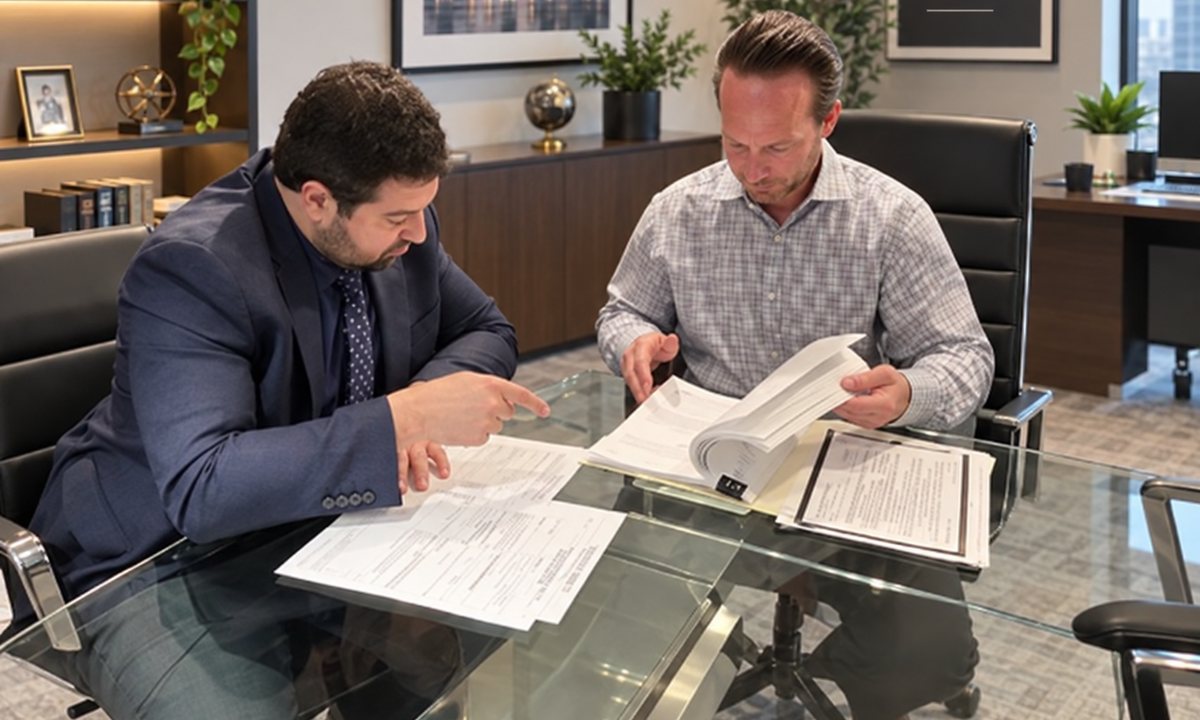
Commercial real estate due diligence should test the business plan behind a proposed acquisition. A property can have market appeal and still carry lease, title, zoning, environmental, financing, construction, operating, or transfer issues that materially change its value. The review is most useful when the contract provides enough time and access to investigate those issues before the buyer’s obligations become unconditional.
Translate the Investment Thesis Into Questions
Start with the intended use and expected source of value. Is the buyer acquiring stable income, planning renovations, changing tenants, occupying part of the building, assembling development rights, or repositioning the property? Each strategy creates a different diligence request.
The legal and business teams should convert that strategy into written questions. What approvals are required? Which leases continue after closing? Are projected rents supported by signed documents? Do operating expenses include deferred maintenance or unusual contracts? Does the title permit the expected access and use? A generic checklist cannot answer those questions without reference to the deal.
Review Leases as Assets and Obligations
For occupied property, leases are central transaction documents. Review the signed lease and every amendment, guaranty, assignment, side letter, notice, option, and material correspondence. Compare those documents with the rent roll, payment history, security deposits, concessions, arrears, and landlord obligations.
Important provisions may include renewal or expansion rights, termination rights, exclusives, use restrictions, expense allocations, repair duties, casualty and condemnation terms, assignment rules, purchase options, and subordination requirements. An estoppel or other tenant confirmation can be useful, but its scope and timing should match the contract and the risks identified during review.
Connect Title, Survey, Zoning and Physical Conditions
These workstreams should be compared, not handled as isolated reports. A survey condition may relate to an easement listed in the title report. The existing use may depend on a certificate, permit, variance, or nonconforming status. Planned work may require approvals that the current owner never needed. Physical inspection findings may affect insurance, lender requirements, reserves, or the economic assumptions behind the purchase.
Environmental review also requires disciplined coordination. The appropriate scope depends on the property, its history, intended use, financing, and professional recommendations. Legal counsel should work with qualified environmental and technical advisers rather than treating a report title as a substitute for understanding its findings and limitations.
Control the Contract Calendar
Create a schedule for deposits, document delivery, inspection access, objections, financing, tenant confirmations, title and survey review, entity approvals, and closing. Identify which dates can be extended, who may approve changes, and how notice must be delivered. If information arrives late, determine whether the contract provides a remedy before simply continuing the review.
The firm’s related articles on title, closing and due diligence and land use and zoning review address two critical diligence tracks. Readers can also review the Fine Line title and closing guide and Craig’s commercial real estate profile.
Worked example: questions to resolve
This is a hypothetical educational example, not a client story or reported result. A hypothetical rent roll lists a tenant at $4,000 monthly, while the signed amendment provides three free months and a termination option. The buyer’s cash-flow assumptions should be tested against the amendment and actual collections, not accepted from the spreadsheet alone.
Official reference
For related background, consult the Consumer Financial Protection Bureau homebuying resources. This resource is educational; its scope and jurisdiction may differ from your matter.
Chinese-speaking client assistance
The Law Office of Craig A. Fine, P.C. accommodates Chinese-speaking clients with in-house Mandarin support from associate attorney Li Wu, Esq. Please request Mandarin assistance when arranging a consultation so the office can coordinate language support and the appropriate attorney for your matter. Meet the attorneys and review language support, or request a consultation.
本所提供中文法律服务。预约咨询时,请告知您需要普通话协助。
About Craig A. Fine, Esq.
Craig A. Fine, Esq. is licensed in New York, New Jersey, and Florida. His real estate law practice includes commercial purchases and sales, leasing, title and closing matters, due diligence, land-use issues, and related disputes.
Attorney Advertising. This article provides general information and is not legal, environmental, engineering, tax, financial, insurance, or investment advice. Every commercial transaction requires review of its own documents, property, objectives, and governing law.
Read the on-site Craig Fine Law Firm Blog and follow Craig A. Fine, Esq.'s additional commentary on the separate-domain The Fine Line Blog.
Attorney Advertising. This material is provided for general informational purposes only and does not constitute legal advice. Viewing this content does not create an attorney-client relationship. Prior results do not guarantee a similar outcome. Attorney Advertising & Legal Disclaimer

