Craig Fine Law Firm Blog
Nassau County Property and Business Planning: Documents Before Deadlines
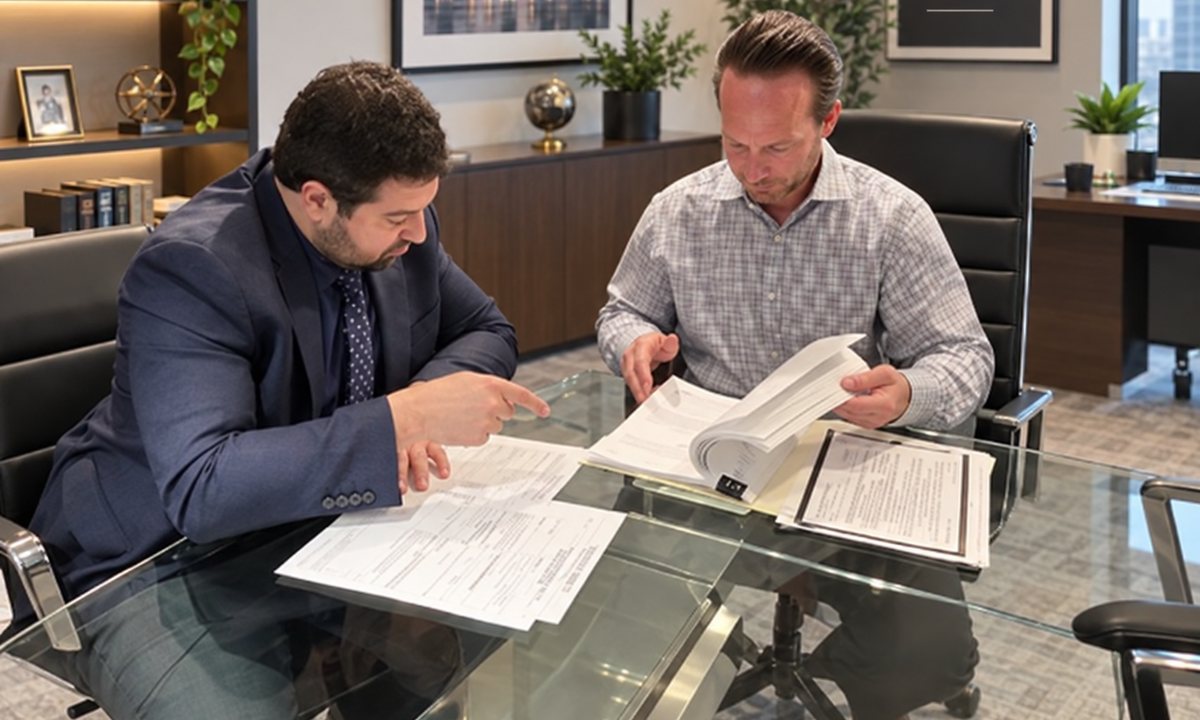
Nassau County matters can connect residential or commercial real estate, local approvals, leasing, closely held businesses, and estate planning. A practical review begins with the client’s objective and a complete document file, then separates title, physical condition, public records, financing, business, and personal-planning questions while coordinating their deadlines.
Prepare the Property File Early
For a sale, locate the prior deed, title policy or report, survey, loan and payoff information, permits, certificates, leases, and ownership documents. For a purchase, obtain the contract, title materials, inspections, financing conditions, insurance information, survey or location evidence, and relevant municipal records.
Compare the property’s actual condition and use with the available record. Additions, conversions, accessory spaces, pools, decks, fences, commercial areas, occupancy, and rental arrangements may require further investigation. Local requirements differ among municipalities, so town or village assumptions should not be generalized across the county.
Test the Intended Use
Ask what the buyer or tenant plans to do after closing or possession. Renovation, rental, professional use, redevelopment, subdivision, expansion, signage, parking, or a new business activity may require public approvals or be affected by private restrictions. Title, zoning, building, environmental, design, financing, and insurance review should be coordinated.
When professional interpretation is needed, define the architect’s, engineer’s, surveyor’s, inspector’s, title professional’s, or environmental consultant’s scope. A report should answer a transaction question, not simply satisfy a checklist.
Review Business and Leasing Dependencies
Commercial leases should address premises, use, rent and additional charges, repairs, insurance, alterations, assignment, guarantees, defaults, renewals, and surrender. Business acquisitions should identify whether the lease, contracts, licenses, employees, inventory, intellectual property, and customer relationships can be transferred.
For owner-operated property, coordinate the real estate entity, operating company, intercompany lease, lender requirements, guarantees, authority, and succession plan. Separate ownership can be useful only when the documents and operations actually reflect it.
Coordinate Long Island and Multi-State Planning
Clients with property or family interests elsewhere should align deeds, entity records, wills, trusts, powers of attorney, and beneficiary arrangements. Multi-state licensing does not erase local differences; it makes identifying the governing law and responsible professional more important.
Create a post-closing record before the file is archived. Keep the deed and recording information, title and survey materials, settlement statement, loan documents, approvals, insurance, leases, entity resolutions, and proof of completed repairs or escrows. Calendar tax, permit, option, renewal, filing, and transition obligations that continue after ownership changes.
Related corporate articles include Suffolk County property and business planning and New York business and property law. Readers may also visit Craig’s Fine Line author archive and Nassau County profile.
When property is held in a trust, estate, or entity, confirm who can authorize the transaction and which supporting documents the title company, lender, counterparty, or municipality requires. Resolve authority before a signing or closing date creates unnecessary pressure.
Worked example: questions to resolve
This is a hypothetical educational example, not a client story or reported result. A Nassau County buyer plans an addition. Identify the parcel’s town, village or city context and determine which records and approvals relate to the proposed work. A county name alone is not enough to identify the responsible zoning or building office.
Official reference
For related background, consult the Consumer Financial Protection Bureau homebuying resources. This resource is educational; its scope and jurisdiction may differ from your matter.
Chinese-speaking client assistance
The Law Office of Craig A. Fine, P.C. accommodates Chinese-speaking clients with in-house Mandarin support from associate attorney Li Wu, Esq. Please request Mandarin assistance when arranging a consultation so the office can coordinate language support and the appropriate attorney for your matter. Meet the attorneys and review language support, or request a consultation.
本所提供中文法律服务。预约咨询时,请告知您需要普通话协助。
About Craig A. Fine, Esq.
Craig A. Fine, Esq. is licensed in New York, New Jersey, and Florida. His official profile describes real estate, business, landlord-tenant, commercial litigation, and estate-planning services. This article does not claim a Nassau County office.
Attorney Advertising. This article is general information, not a title, zoning, tax, engineering, insurance, or individualized legal opinion.
Read the on-site Craig Fine Law Firm Blog and follow Craig A. Fine, Esq.'s additional commentary on the separate-domain The Fine Line Blog.
Attorney Advertising. This material is provided for general informational purposes only and does not constitute legal advice. Viewing this content does not create an attorney-client relationship. Prior results do not guarantee a similar outcome. Attorney Advertising & Legal Disclaimer

