Craig Fine Law Firm Blog
Commercial and Residential Leasing: Read the Exit Terms Before Signing
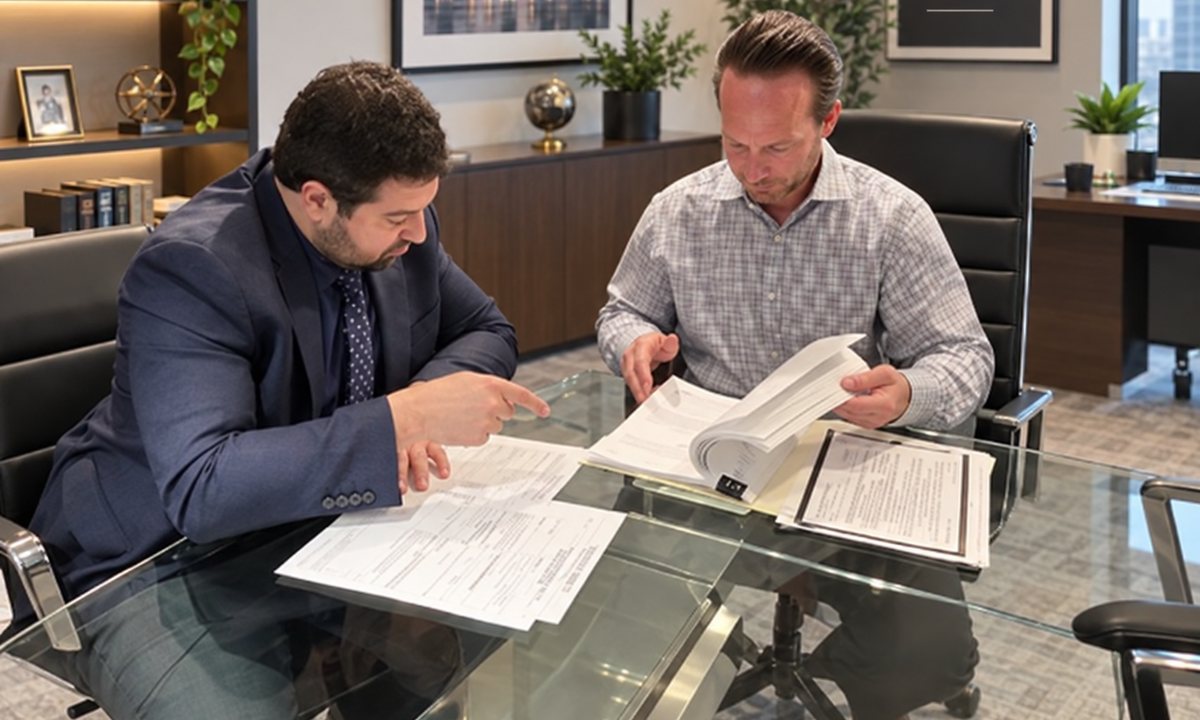
A lease should be reviewed as both an operating document and an exit document. Rent, term, and premises are essential, but disputes frequently arise from provisions governing renewal, default, cure, assignment, guaranties, repairs, insurance, surrender, and early termination. Those clauses matter most when the parties no longer share the assumptions they had at signing.
Confirm the Parties and Premises
The lease should identify the correct legal parties, the space being delivered, permitted uses, included areas, access rights, storage or parking, and any shared facilities. A business tenant should confirm that the entity signing the lease is the intended tenant and understand any personal or limited guaranty. A residential tenant and landlord should verify all occupants, regulated status where applicable, required riders, and building rules.
Plans, work letters, inventories, and condition reports should be attached when they form part of the deal. Oral descriptions of improvements or included property are difficult to enforce if the final lease says something different.
Understand the Full Economic Obligation
Base rent may be only one component. Commercial leases can allocate taxes, insurance, maintenance, utilities, common-area expenses, repairs, legal fees, and restoration costs. Review how additional rent is calculated, documented, audited, capped, or reconciled. Residential leases may also address utilities, deposits, late charges, fees and statutory disclosures. Applicable residential protections differ from commercial negotiated terms; a clause alone does not establish the enforceability of a fee, waiver, termination or deposit deduction.
Model the obligation over the full term, including increases, options, build-out periods, concessions, and end-of-term work. A concession may be subject to recapture after default. A tenant improvement allowance may depend on documentation and deadlines that should be understood before construction begins.
Focus on Change and Exit Provisions
Businesses evolve. Assignment, subletting, ownership changes, expansion, contraction, relocation, and financing can affect lease rights. Examine consent standards, recapture rights, continuing liability, profit sharing, and the treatment of affiliates or a business sale. Renewal options require careful attention to notice dates, rent-setting procedures, and conditions that could invalidate the option.
Default and termination provisions should be read together with notice and cure requirements. Determine what constitutes default, when a cure period begins, what remedies are available, and whether a guaranty changes after surrender or a negotiated termination. At lease end, identify removal, restoration, cleaning, key delivery, inspection, and security-deposit procedures.
Keep the Lease File Current
After signing, retain the complete executed lease, amendments, guaranties, insurance certificates, notices, approvals, payment records, and material correspondence. Calendar renewal, termination, option, insurance, and notice dates well in advance. When the parties agree to a material change, document it through the method required by the lease.
For related guidance, review landlord-tenant documents and notices and business contracts and exit planning. External resources include the Fine Line landlord-tenant notice guide and Craig’s commercial and residential leasing profile.
Worked example: questions to resolve
This is a hypothetical educational example, not a client story or reported result. A business tenant returns keys after negotiating an early move-out. The lease, surrender agreement and personal guaranty should be read together: handing back possession does not necessarily establish termination or release a guarantor. Identify exactly which obligations the negotiated documents address.
Official reference
For related background, consult the Consumer Financial Protection Bureau homebuying resources. This resource is educational; its scope and jurisdiction may differ from your matter.
Chinese-speaking client assistance
The Law Office of Craig A. Fine, P.C. accommodates Chinese-speaking clients with in-house Mandarin support from associate attorney Li Wu, Esq. Please request Mandarin assistance when arranging a consultation so the office can coordinate language support and the appropriate attorney for your matter. Meet the attorneys and review language support, or request a consultation.
本所提供中文法律服务。预约咨询时,请告知您需要普通话协助。
About Craig A. Fine, Esq.
Craig A. Fine, Esq. is licensed in New York, New Jersey, and Florida. His landlord-tenant and leasing practice includes lease drafting and review, guaranties, notices, renewals, defaults, negotiated resolutions, and related disputes.
Attorney Advertising. This article is general information and not legal advice. Lease requirements and remedies differ by jurisdiction, property type, contract language, and facts.
Read the on-site Craig Fine Law Firm Blog and follow Craig A. Fine, Esq.'s additional commentary on the separate-domain The Fine Line Blog.
Attorney Advertising. This material is provided for general informational purposes only and does not constitute legal advice. Viewing this content does not create an attorney-client relationship. Prior results do not guarantee a similar outcome. Attorney Advertising & Legal Disclaimer

